This is an update to Knox County Just Removed Every Flock Camera. The Cameras Were Never the Real Problem. (Sept. 30), read that one first for the full Knox County procurement story. This post picks up where it left off: what's happened nationally since, and why the numbers now settle the "just swap vendors" question.
The National Number Keeps Climbing
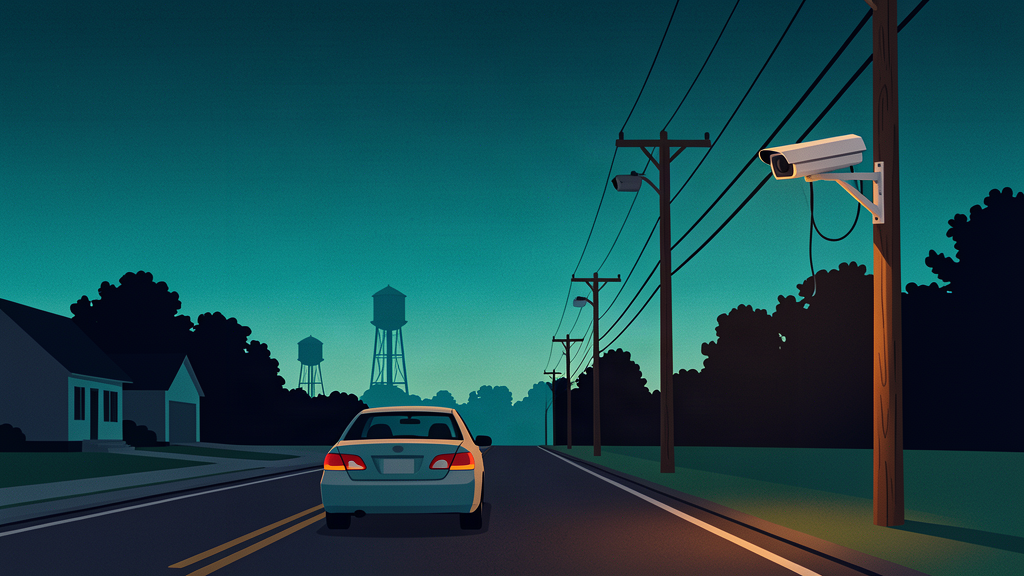
When Knox County voted unanimously on August 31 to remove all 143 of its Flock Safety cameras, it was one city taking one local stand. As of October 3 it's part of something much bigger, and two independent tracking databases now measure it:
- Institute for Justice cancellation database (updated Oct. 2, 2026): 249 local governments have fully canceled or declined to renew ALPR contracts since the start of 2025. No pauses counted, no vendor swaps, only hard cancellations. Knox County is on the list, alongside at least five other Tennessee jurisdictions: Coopertown, Collegedale, Kingston, Sullivan County, and White County.
- FlockScanner (updated Sept. 29, 2026): 121 reported cancellation-related stories in the last two months alone, a rolling window running July 29 through Sept. 29. That works out to roughly a cancellation every 12 hours.
Use whichever number fits the conversation: 249 is the stricter, more defensible figure; 121-in-60-days is the trend signal. Both agree on direction.
What's Driving It: The Wave Has Three Engines
Three separate pressure sources feed the count, and communities are arriving from all three at once:
- Officer misuse (33 documented cases on FlockScanner; the Washington Post has counted at least 46 officers accused across the country). New Bedford, MA is the cleanest documented chain: residents complained at a public meeting, the police chief ordered the department's first-ever Flock audit, and it found an officer searching an ex-girlfriend's plate 658 times, with the searches logged as "traffic infractions," plus a sergeant running his girlfriend's plate 68 times. The department then suspended Flock use entirely and referred both officers for termination and criminal charges.
- Data sharing (70 tracked stories). Texas DPS's statewide Flock network logged 615,000 searches in June 2026 alone from 3,075 agencies, 48% of them from outside Texas, including searches citing ICE, CBP, and deportation warrants. In some jurisdictions this is what actually triggered the council vote: a local agency discovering its residents' plate data was a shared resource it had never meaningfully controlled.
- Privacy-by-design objections (89 tracked stories). This is the base layer: the argument that a camera network photographing every car, all the time, and storing the result for later cross-agency search is a policy structure regardless of which vendor fills it.
The pressure is now also federal: bipartisan Senate hearings (Sept. 22-25) with ACLU testimony, a new House bill (Rep. Steube's FLAFO Act), and Sens. Britt and Warnock jointly seeking federal guidance. A Georgia Republican and a Georgia Democrat pushing on the same surveillance issue is its own signal about where the politics have moved.
The Vendor-Swap Question, Now With Data
The Sept. 30 post's core argument was that a company swap wouldn't fix the structural problem: shared networks, no warrant requirement, and thin audit trails survive any logo change. Two months later there's harder evidence for that claim:
- Columbus, OH (Sept. 27) paused Flock, and the Columbus Dispatch found the cameras "still everywhere." A pause or contract lapse, without active removal and data destruction, leaves the hardware and the network in place.
- The Institute for Justice deliberately excludes vendor swaps from its 249 cancellations: by their standard, a logo change doesn't count as a fix. Their reasoning: "the fundamental problem… is that [ALPRs] place private information about people's movements over time in the hands of every officer… without the constitutional safeguard of a warrant requirement." That problem lives in the technology category itself, in any vendor's codebase.
- Flock's own August reforms (7-day default retention, audit locking, "evidence mode") are contractual promises; they carry no force of law. Maine's district attorney said it's "near impossible" to prosecute a plate-reader company even after an alleged violation of state law. Whatever the next vendor promises is the only enforceable layer in most states; there's usually no statutory backstop.
The practical takeaway for anyone following a local Flock debate: watch what happens after the vote. Columbus paused a contract and kept the cameras. Knox County's ordinance, by contrast, did two things a pause doesn't: it prohibited new agreements with companies providing the same equipment, and it required the plate data itself be destroyed along with the hardware. That's the difference between ending a subscription and ending a capability.
Where This Is Heading
The wave is not slowing. The databases update weekly, the abuse cases keep compounding (a Sept. 27 Futurism piece was literally headlined about there being so many similar scandals "we can't even keep track"), and the response from Austin and Tallahassee to Washington suggests this has moved past local noise into actual policy layers. Knoxville, for its part, is one of the stronger examples nationally: a unanimous vote, a real ordinance, hardware actually down, and data destruction on the books.
If your city or county still has a Flock contract, the Knox County sequence is now the documented playbook: a public-records request for the contract and audit logs, a council question about network data sharing, and a vote that specifies data destruction alongside camera removal. And if the counter-argument is "we'll just pick a different vendor," you now have 249 data points on why that doesn't end the debate.
Running a network in your own house is the same question at a smaller scale: what's connected, what's shared, and what's kept? The Fiber Dad does home network privacy audits covering the smart-home gear most people never think to audit: inventory, segmentation, and keeping data local that doesn't need to leave. If you have questions or want help thinking through your own setup, just reach out.
Sources: FlockScanner cancellation tracker (121 stories, Sept. 29) · Institute for Justice ALPR cancellation database (249 governments, Oct. 2) · New Bedford Light, Flock misuse IA reports (Sept. 2026) · Texas Tribune, DPS statewide Flock search data (Sept. 4) · Al Jazeera, Flock privacy reforms (Aug. 14) · IJ ALPR abuse database (76 romantic-stalking cases) · WUOT (Sept. 2) · Knox News (Sept. 17)